Structural assessment first
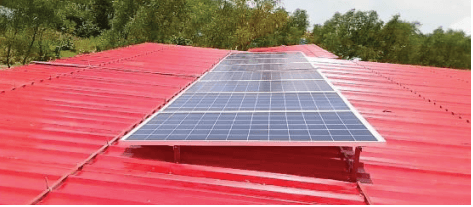
Roof load capacity, sheet condition and fixing methodology verified before the design is frozen.
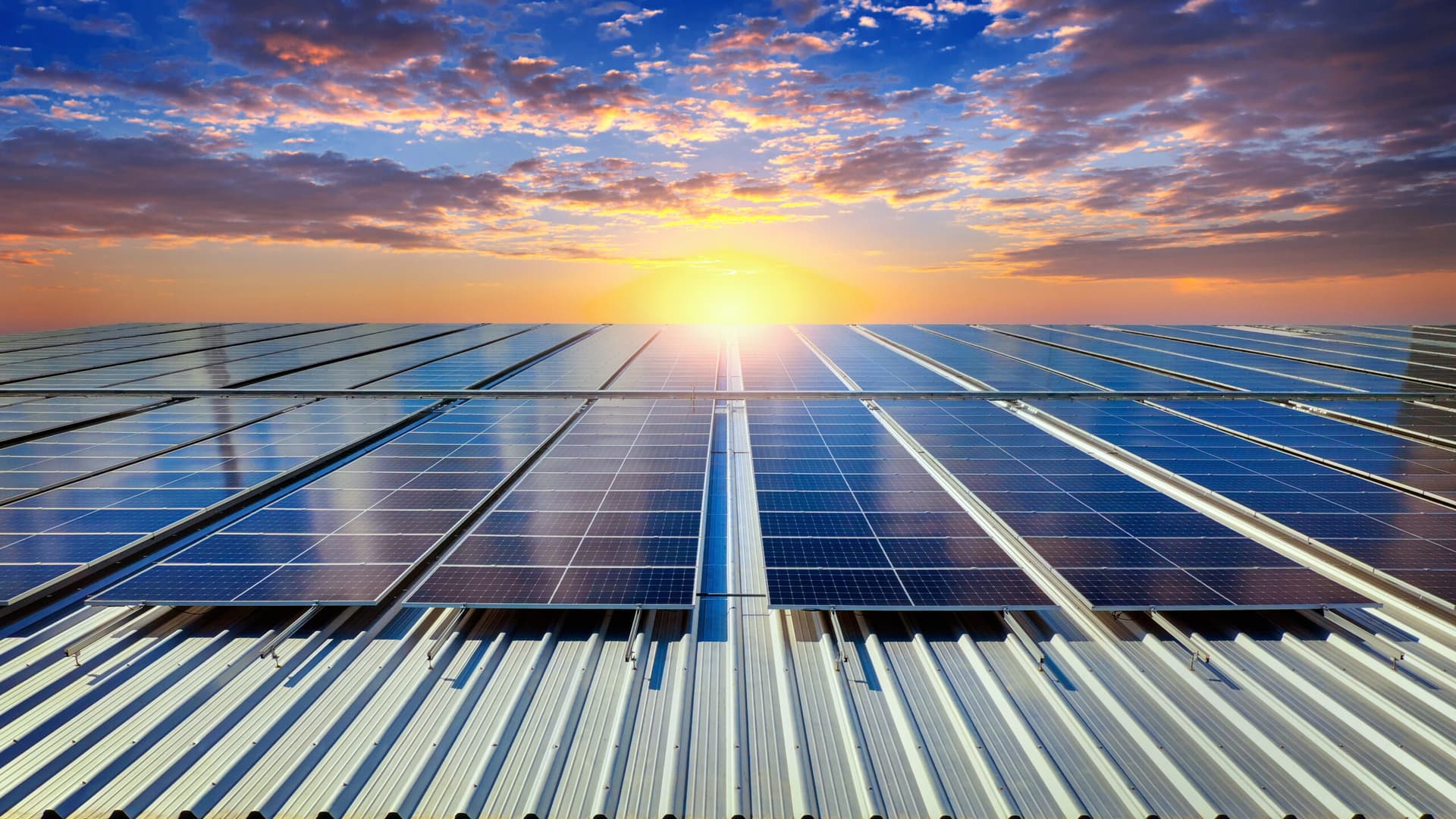
Rooftop solar turns unused roof area into a generating asset that offsets grid consumption at the point of use — with no land cost and no additional footprint.
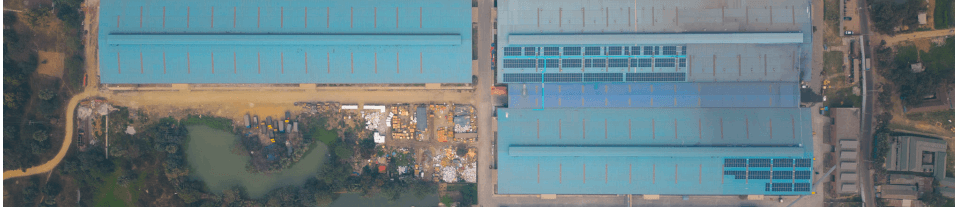
For an industrial or commercial building in Bangladesh, the roof is usually the cheapest generating site available. There is no land to acquire, the generation happens where the load already is, and net metering allows surplus to be exported rather than wasted.
RIEL engineers each rooftop system around three constraints in order: what the roof structure can carry, what the building actually consumes during daylight hours, and what the applicable net-metering rules permit. Sizing against consumption rather than roof area alone is what protects the payback.
Roof load capacity, sheet condition and fixing methodology verified before the design is frozen.
Clamp-based mounting on metal roofs preserves the existing waterproofing warranty.
System sized to daytime consumption so generation is self-consumed at full tariff value.
Eligibility review, application, utility liaison and commissioning records.
Own the asset outright, or pay only for the energy under a zero-investment structure.
Preventive maintenance and performance monitoring protect the yield you paid for.
Related services
Grid-tied rooftop systems for factories, warehouses and commercial buildings.

Application, approval and commissioning under the national net-metering framework.

Own the asset outright, or buy only the energy it generates.
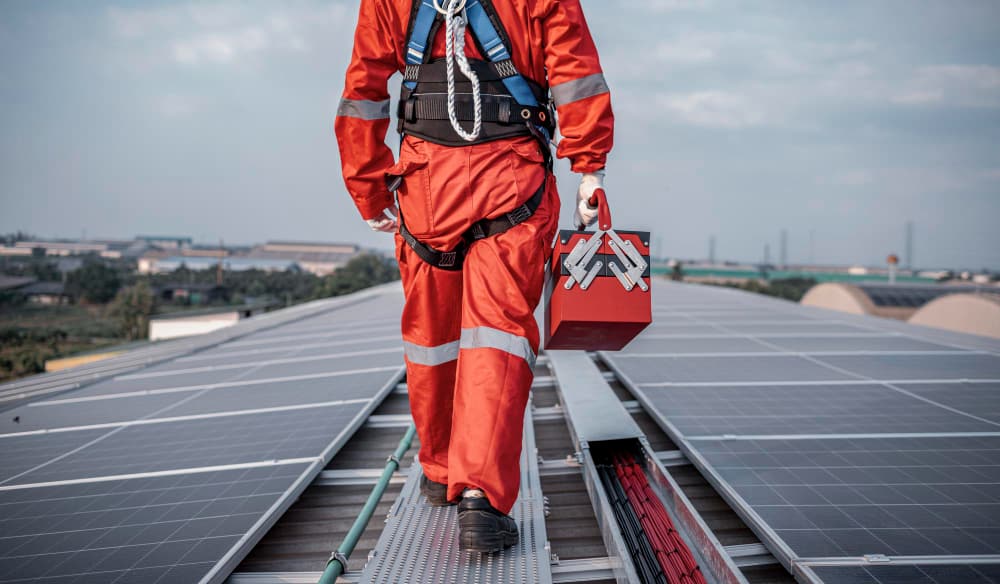
Annual maintenance contracts that protect yield across the asset's life.
Standards
Our work
FAQ
As a planning figure we allow approximately 100 sq ft of unshaded roof per kWp of installed capacity. The exact figure depends on module efficiency, tilt, and the walkway and maintenance access the roof layout requires.
Net metering lets you export surplus solar generation to the grid and offset it against what you import. Eligibility depends on your sanctioned load, connection category and the prevailing national guideline. RIEL reviews eligibility before design and handles the utility application end to end.
Under CAPEX you fund and own the plant and take the full generation benefit. Under OPEX the plant is funded and operated by the developer and you pay only for the energy you consume at an agreed tariff. We model both over the asset life so the choice is made on numbers rather than preference.
Photovoltaic systems are engineered for a 25-year-plus operating life. Output declines gradually — we design against an assumed annual degradation rate and confirm real performance through the AMC monitoring and reporting programme.
Yes. Our AMC covers both RIEL-built plants and third-party installations, and begins with a condition and performance assessment of the existing asset.
Get in Touch
Send us what you already know — roof area, monthly bill, required span or tonnage — and we will come back with an indicative scope and budget.
An engineer from the relevant division will contact you within one working day.